Valencene
Same fruit, different part of it: limonene is the peel — sharp, oily, a little bitter — and valencene is the flesh, sweeter and rounder.
View terpene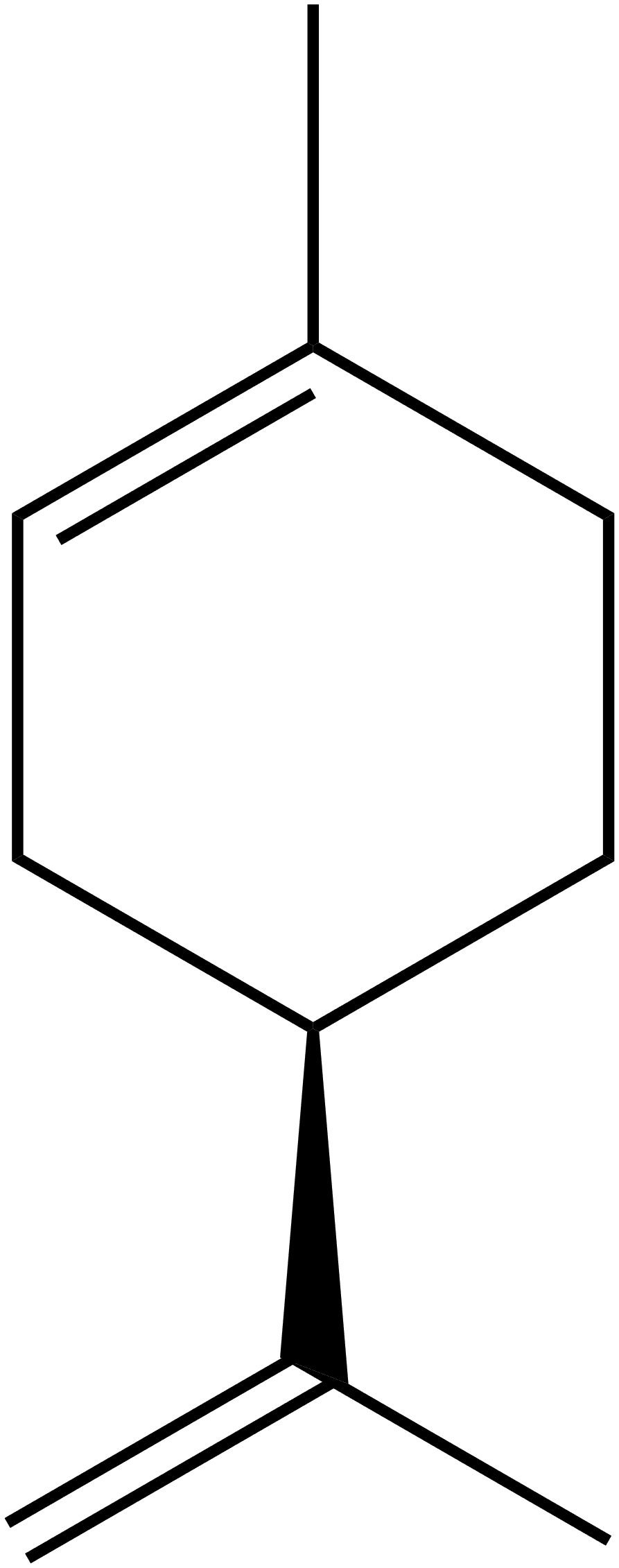
You've met limonene every time you've torn the peel off an orange. That bright oil that sprays into the air is mostly this, and it's the second most common terpene in nature — lemon, lime, grapefruit, juniper all carry it. In cannabis it's the one that makes a jar smell scrubbed clean rather than earthy.
The mood is the opposite of myrcene's: up, alert, leaning forward. Limonene belongs to the bright, sociable end of the spectrum, and it's one of the few terpenes with a decent stack of research behind its effect on mood. It also helps other compounds absorb more easily, which is part of why a limonene-heavy strain can feel like it arrives faster than you expected.
Citrus is fugitive. Limonene boils at 176°C / 349°F, but it's a light molecule and it walks out of a warm room long before that. If your buds smelled like lemon on the plant and smell like hay in the jar, this is what you lost — usually in the first two days of the dry.
Middling. It survives a careful dry and quietly disappears from a hot one.
Same fruit, different part of it: limonene is the peel — sharp, oily, a little bitter — and valencene is the flesh, sweeter and rounder.
View terpeneTerpinolene carries a citrus top note over herbs and pine. Limonene is citrus all the way down, with nothing green underneath.
View terpeneBoth bring sweetness and lift, but limonene is unmistakably citrus peel where ocimene is tropical and green, with no rind in it at all.
View terpene