
Bisabolol
Lavender against chamomile. Bisabolol is softer and almost powdery, and it is the one with the reputation for settling skin rather than nerves.
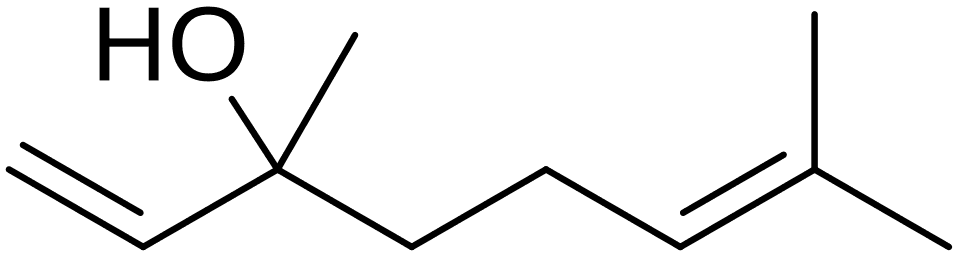
View terpeneLinalool is lavender. Not like lavender — it's the same molecule, which is why a linalool-heavy strain can smell like a drawer sachet or a bar of expensive soap. Mint, coriander and cinnamon carry it too, but it's the lavender people recognise.
It's the softest of the calming terpenes. Where myrcene is heavy and physical, linalool is quieter — the one associated with settling rather than sedating. Lavender's reputation for calm is old and reasonably well earned, and linalool is what sits behind it.
This one you're unlikely to lose. At 198°C / 388°F linalool sits near the top of the range and survives a dry that would strip pinene or limonene clean off. In practice a linalool strain still smells like itself at week four, when a citrus strain has already gone quiet — the floral note is the one left standing.
Among the most heat-tolerant here — usually still in the jar when the lighter notes have gone.
Lavender against chamomile. Bisabolol is softer and almost powdery, and it is the one with the reputation for settling skin rather than nerves.
View terpeneTerpineol is lilac and blossom with a citrus edge. Linalool is lavender and stays there.
View terpeneGeraniol is rose, linalool is lavender — and nobody mixes them up once they have smelled the two side by side.
View terpene