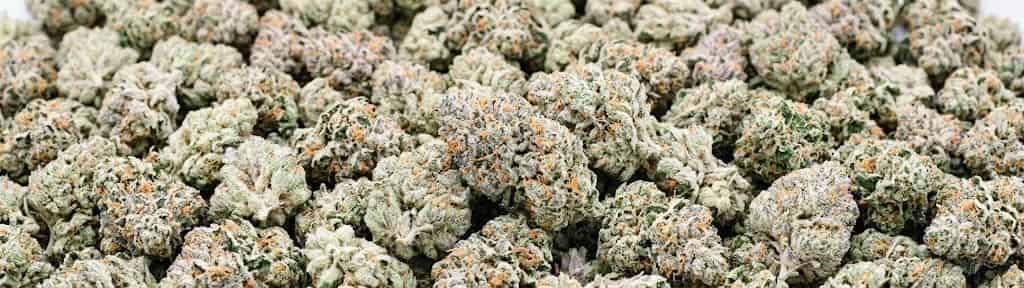
Hollands Hope
Same genetics, potency and flowering window. Indica · 18–22% THC · 7–9 weeks
View strainAfghani Indica × Thai Sativa × Oaxacan Sativa · Bred by Dutch Passion
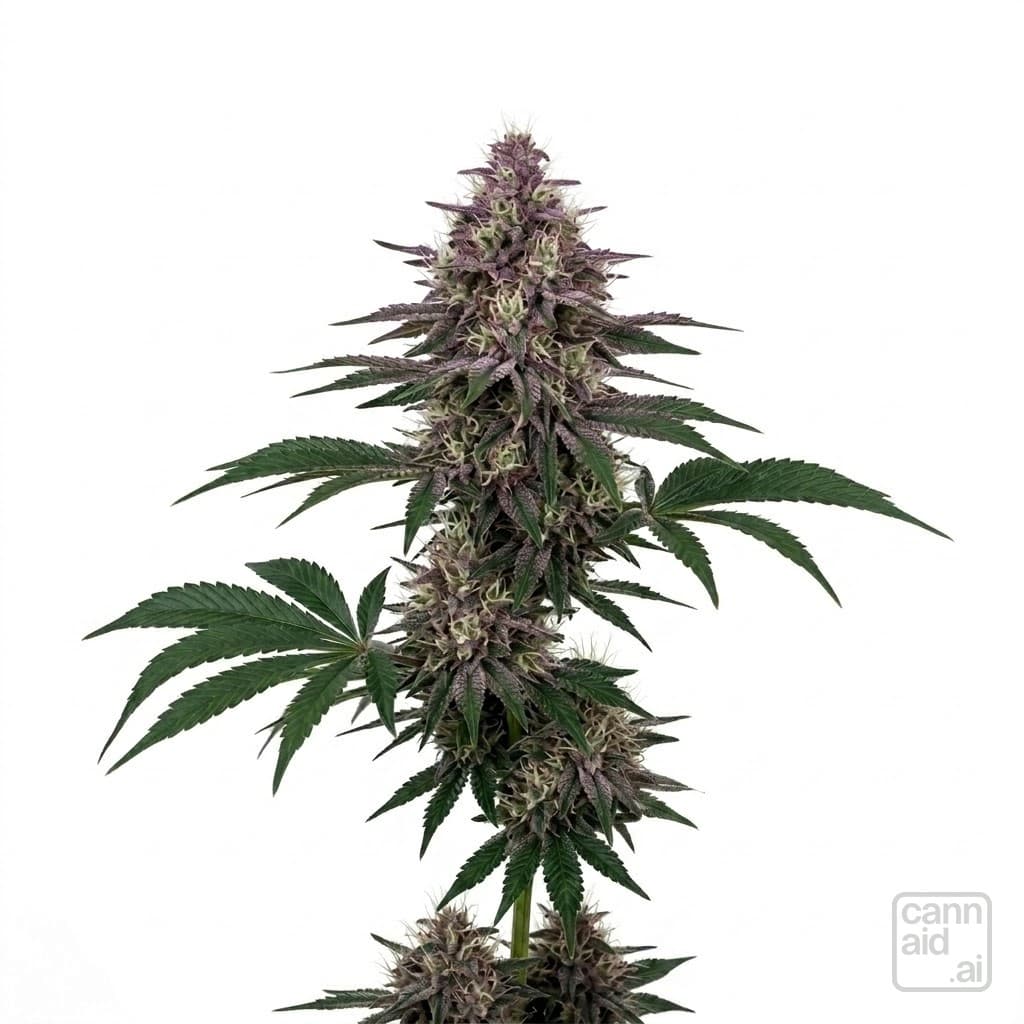
Not an actual strain
Blueberry is the flagship strain of Dutch Passion's Blue Family — a legendary premium-potency Indica that landed in the Dutch market in 1998 alongside Blue Velvet, Blue Moonshine, Flo, and Blue Heaven, all originally bred by the legendary American breeder DJ Short and adopted by Dutch Passion through a direct cooperation with the Canadian-based breeder. The name comes from the blue hues that develop in the flowers and leaves under the right temperature conditions, combined with an aroma that is remarkably close to the smell and taste of fresh blueberries — not a metaphor, a direct sensory match that has made Blueberry one of the most instantly recognizable strains in commercial cannabis. Blueberry took 1st Prize at the HighTimes Cannabis Cup in 2000 just two years after introduction, followed by 3rd Prize at the same Cup in 2001, and has accumulated numerous additional awards over the two decades since. The genetic foundation is a three-way cross: about 80% Afghani Indica contributing density and resin, 20% Thai Sativa for the clear euphoric effect, and a minor Oaxacan (Mexican) Sativa influence that adds complexity to the terpene profile. That specific combination is why Blueberry has become the genetic foundation for an enormous lineage of modern descendants — Blue Dream, Mazar x Blueberry (formerly Skywalker), Mazar x Blueberry OG (formerly Skywalker OG), Blueberry Headband, Blueberry Diesel, and Blue Cookies all trace back to this line, and that's just a fraction of what the breeding community has built on the foundation over the years.
Growth-wise Blueberry is a vigorous plant with large fan leaves acting as enormous solar panels, converting ambient light into energy with unusual efficiency. Most plants show a compact growth pattern with sturdy stems, very large broad fan leaves, and short internode spacing that fills densely with dense flower clusters. Stems can turn purple, and cold climate conditions encourage the production of purple and blue hues in both leaves and flowers — indoor growers specifically looking for that expression can let cold air flow into the grow room at the end of flowering for an extravagant visual effect. It has a favourable calyx-to-leaf ratio, which keeps it easy to trim at harvest, and the strong stems with short internodal spacing make it a great candidate for SOG-style growing setups. Flowering time is 8-9 weeks indoors, with a recommended vegetative period of 4-6 weeks — around 6 weeks for fewer plants per m2, closer to 4 weeks for denser plantings. Despite the 80% Indica dominance it still stretches during flowering because of the Sativa genetics in the cross, so plan canopy space for the stretch. Outdoors she can reach 2.5-3 m in optimum conditions, with harvest around the start or middle of autumn, and in very favourable conditions outdoor growers have pulled over 2 kg per plant. Indoors it yields 350-450 grams per m2 — above-average for the category. Total seed-to-harvest cycle runs 12-15 weeks including veg. It isn't the easiest variety for newer growers and can be a fussy feeder; Dutch Passion specifically recommends that growers optimize climate, nutrients, soil, and lighting for it to deliver full potential. A stable growing environment is essential. Blueberry thrives on consistency — erratic conditions produce erratic results, and the premium quality it's capable of only comes through when conditions are dialed in.
Where Blueberry genuinely stands apart is the smoke itself. The aroma and flavor are among the fruitiest in all of commercial cannabis — a sweet, candy-like fresh blueberry character that is almost addictive in its directness, and one of the reasons old-school connoisseurs place it in the cannabis hall of fame alongside Purple Kush for extravagantly delicious taste, aroma, and potency. Buds are compact and very resinous, with THC levels around 20% — not unusual for this strain. Despite being 80% Indica dominant, the high is not too stoney or sleepy. The right amount of Sativa in the cross produces a clear, euphoric high rather than the devastating couchlock you might expect from pure Indica-dominant genetics. The high is strong, feel-good, and up-lifting, long-lasting and genuinely pleasant, and it's uncommon among heavy Indicas for being viable for morning or daytime use. It won't knock you out but it will medicate sufficiently — the balance is what made it famous, and why its descendants carry some of that same character through their genetics. Between premium potency, the favourable trim ratio, the striking bag appeal (purple/blue hues combined with white crystal density that resembles White Widow at the peak of cure), and the unmatched flavor profile, Blueberry remains one of the absolute top-tier cannabis strains available commercially. Slow-dried and cured properly there are genuinely few strains that match its quality at the connoisseur level. Available in feminised, autoflowering, and regular seed formats. Growers who can provide the stable conditions it needs will put a smile on their own face every time they walk into the grow room; that special Blueberry aroma, and the smoke it delivers, is why it has held legendary status through four generations of cannabis breeding.
For growers planning the grow around Blueberry's specific needs, a few practical notes help. Nutrient-wise it runs sensitive compared to the Skunk family — start feeding conservatively and scale up only as the plant tolerates it, because overfeeding shows up quickly as nutrient burn on the large fan leaves. Calcium and magnesium supplementation is particularly worthwhile in hydroponic or coco setups since its dense flower structure draws hard on those during bloom. Light intensity should be steady rather than spiked — it punishes inconsistent cycles more than most modern hybrids. During late flower, dropping nighttime temperatures by 8-10°C (from around 24°C down toward 15°C) is what triggers the purple and blue hue production, and it's a deliberate technique many indoor Blueberry growers use to maximize visual appeal. Cold alone won't produce the expression if the phenotype doesn't carry color-positive genetics, but cold combined with the right phenotype produces the genuine hall-of-fame visual.
Phenotype variance in the original Blueberry is moderate — most plants cluster around the 80/20 Indica/Sativa expression, but individual plants can lean more Indica (compact, denser, deeper purple) or more Sativa (slightly stretched, longer buds, clearer high at harvest). Both expressions are recognizable Blueberry; it's worth running several seeds and picking a keeper based on your preference for density vs. stretch and color intensity vs. yield. For outdoor growers the 2.5-3 m maximum height is worth planning around — it grows substantially larger outdoors than most 80% Indica strains, which is a Sativa-gene contribution that surprises growers accustomed to more compact heritage Indicas. One final note on the effect: Blueberry is one of the few legacy strains that genuinely holds up against modern high-THC commercial crosses. The combination of 20% THC, clear euphoric high, premium bag appeal, and the fruit-forward aroma makes it a strain experienced smokers keep returning to even in a market saturated with stronger and flashier modern genetics. Handle it well through the grow and the dry/cure process, and Blueberry remains one of the best-tasting cannabis varieties ever created.
Same genetics, potency and flowering window. Indica · 18–22% THC · 7–9 weeks
View strainSame genetics, potency and flowering window. Indica · 18–22% THC · 8–9 weeks
View strainSame genetics, potency and flowering window. Indica · 18–22% THC · 8–10 weeks
View strainAdd Blueberry to your calendar — flowering time, height, and yield data auto-filled.