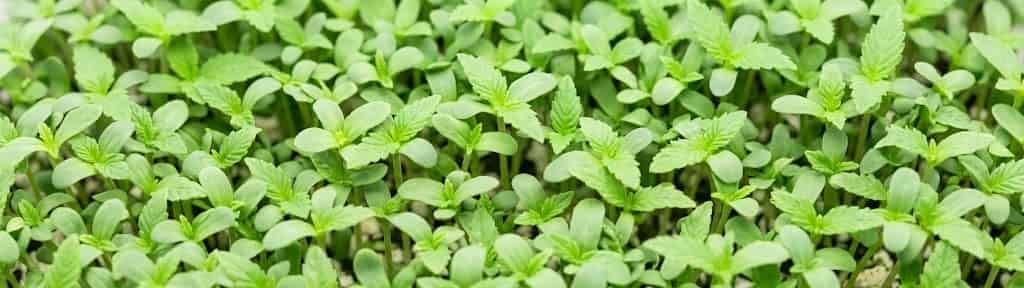
First Grow: The Journey Begins
Walk her whole journey once before you set out: what she does at every stage, your one job at each, and the three choices that make a first grow forgiving.
What you'll learn
- The three choices that make a first grow forgiving — the seed, her clock, and the soil.
- Her six stages from seed to jar, and your one job at each.
- The mistakes that end most first grows, and what she looks like when they start.
- Every number you need, gathered on one sheet at the end.
Every cannabis plant you will ever grow walks the same road. She wakes in the dark as a seed, stands up on two round leaves, and builds a frame of stem and leaf through the long days. When the nights lengthen she comes into flower, fills her buds, and lets her leaves go as she finishes. Sativa walks the road tall and slow. Indica walks it short and quick. Ruderalis walks it by her own clock, not the calendar. Plenty of first-timers have walked it before you, in cupboards and on windowsills, with no idea what they were doing.
Here is what the first grow teaches: she does the growing. Roots find water. Leaves find light. Flowers come when the nights say so. None of it needs you. What she needs from you is small: darkness at night, water only when the pot is light, a little food when she asks, and hands that stay out of her way. Nearly every first grow that fails, fails from too much: too much water, too much feed, too much light too close, too much fiddling, and a harvest a week too early.
So here is the road, walked once in advance, before you hold a seed. Knowing what she is doing tells you whether to act: a drooping seedling wants less water, but a drooping plant in flower wants more. Take this walk now, and you will spend the grow recognising things instead of guessing at them. The numbers wait on one sheet at the end, so the walk can stay a walk and not a spreadsheet.
Before the seed: three choices and two purchases
Three choices come before anything grows, and together they decide how much the grow forgives: a seed, her clock, and the soil. The clock is the choice between an , which flowers on her own, and a plant, which waits for you to change the lights. None of it costs much. Add a pot and a room, and the sheet below is your whole shopping list. The Mediums article weighs soil against coco and water at length.
Her road, in six stages
Take the road as she takes it, in six stretches. Each one shows what she is doing, what she needs from you, and what it looks like when things go wrong. No bell rings between the stages: you will know the next has begun by what the plant does, not by the date.
Germination — the crack in the dark
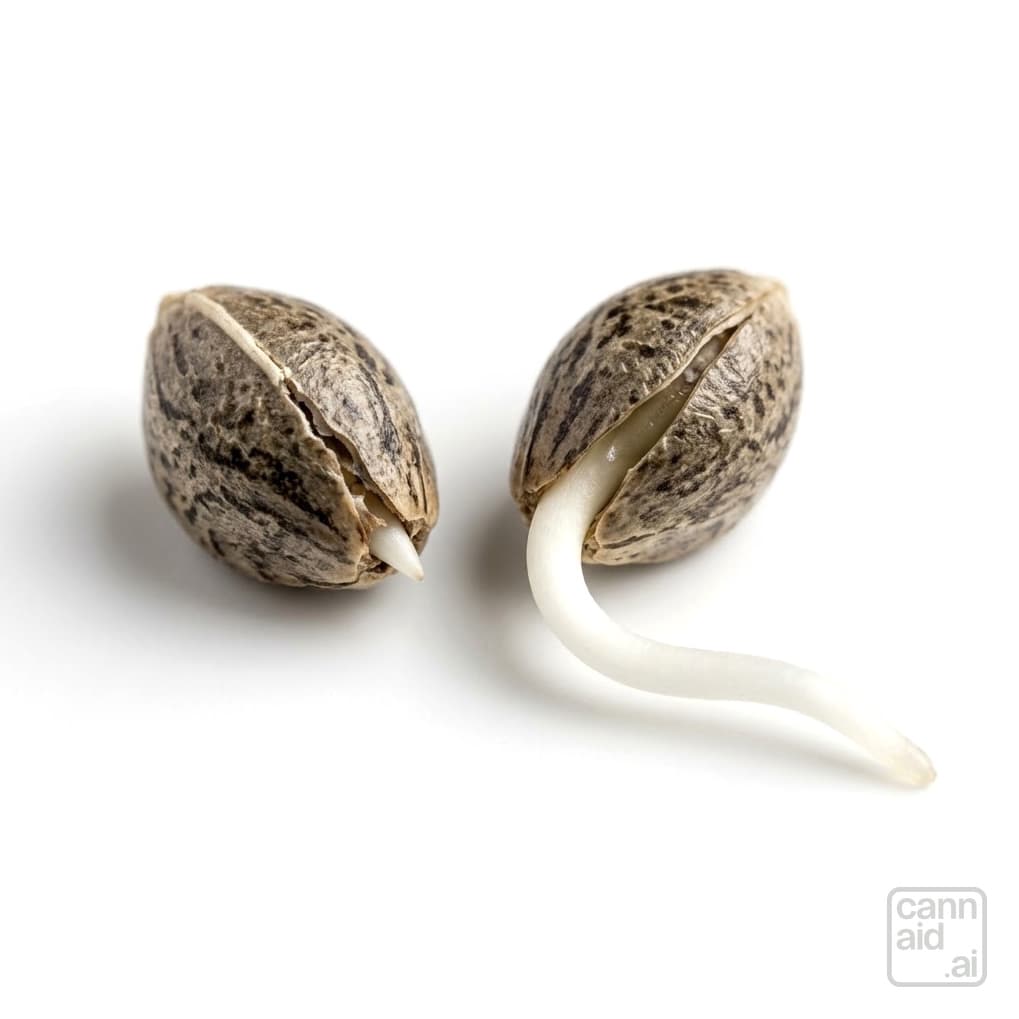
A seed is a plant folded up and waiting. Three things wake her: water, warmth and the dark. Within a day or three of getting wet, the shell splits along its seam. A single white root, the taproot, pushes out and turns down to feel for the ground. Like a hen's egg, the seed carries everything the plant needs for its first week. is the one stage with nothing to grow yet, only something to wake.
What you owe her is that wet, warm dark, and then nothing. Two old ways both work. Fold the seed into a damp paper towel between two plates, and look once a day. Or plant it straight into moist soil, a fingertip deep (about a centimetre), root-end down if a root has shown. The towel lets you see the crack; the soil spares the seedling a move. Either way, keep it warm and moist but never sodden. A heat mat underneath is the cheapest insurance in the whole grow. Then wait. That is harder than it sounds.
What goes wrong here is nearly always drowning or drying, the two ends of one mistake. A seed left in a puddle rots before it opens. One that dries out after cracking dies with its root in the air. A taproot left too long in the towel grows into the paper and tears, so plant the seed the day its root is as long as a grain of rice. A seed that shows nothing after ten days was probably never going to; start another. The seed wakes or it does not, and nothing in the health library begins this early. The next stage is the first one you can truly lose.
Seedling — the fragile fortnight
She comes up bent double, straightens, and opens two round leaves that look nothing like cannabis. These are the cotyledons, her packed lunch, and they feed the seedling while the first true leaves form. Those come in pairs, with one blade each, then three, then five. By the end of the second week she looks like cannabis, with a stem no thicker than a matchstick and roots already reaching for the walls of the cup. The is where a first grow is most easily lost, and where the least is asked of you.
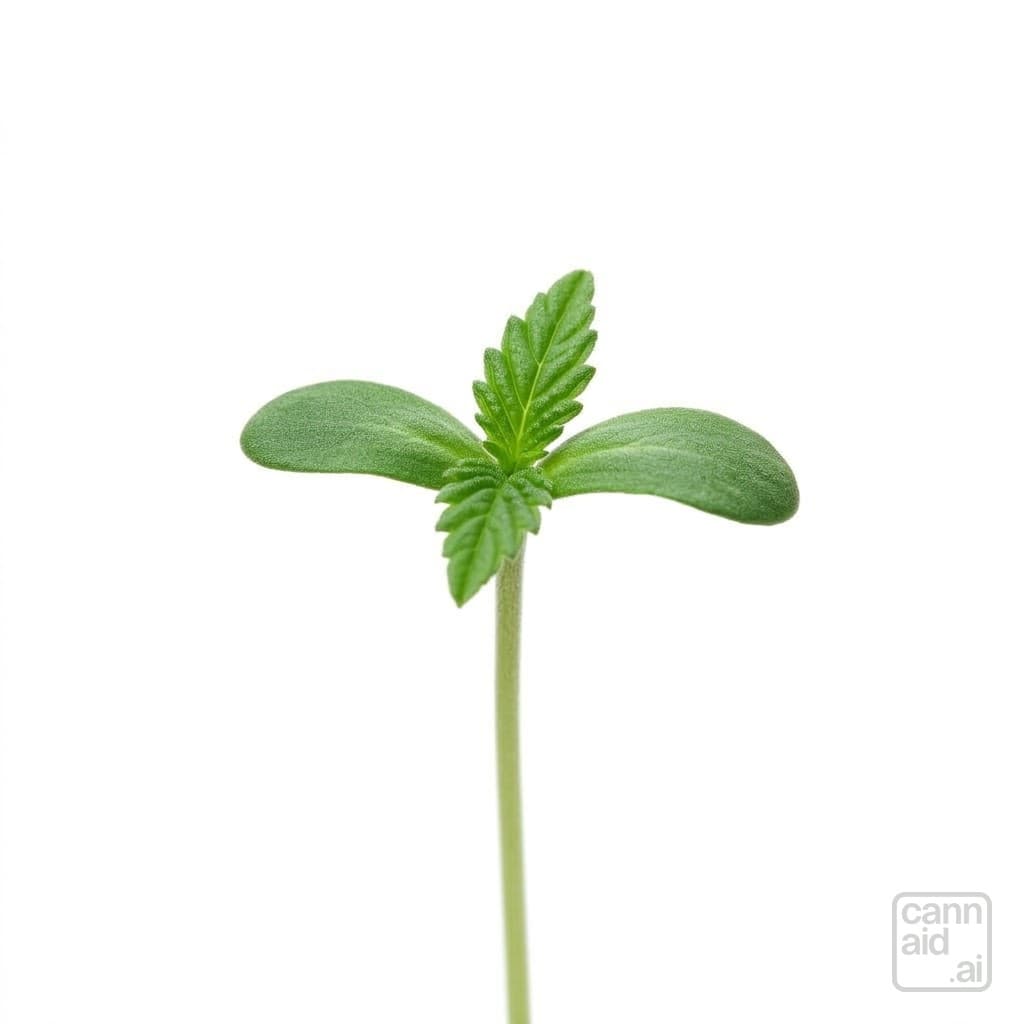
Your job is restraint. Water lightly, and only when the soil is dry to the first knuckle. A seedling drinks almost nothing, and the amended soil holds food enough for weeks, so there is nothing to add. Keep the air warm and humid, and the lamp gentle but close. A seedling that grows tall, pale and leaning is reaching for a light that is too weak or too far away. Lower the lamp; feeding will not fix it. A small fan turned to the wall moves the air without hitting her, and that is what teaches the stem to stand.
The mistake that ends more first grows than any other happens here: overwatering. A seedling in a big pot of wet soil, watered by the calendar instead of by weight, drowns at the roots. She droops, and her leaves feel firm and heavy rather than limp. Wet soil also brings damping off, which pinches the stem at the soil line and topples the seedling in a night. Soggy soil breeds the little black fungus gnats, too. Let the soil dry between waterings and all three stay away. Soon she will drink a pot dry in days; for now she wants almost nothing but time.
Veg — she builds her frame
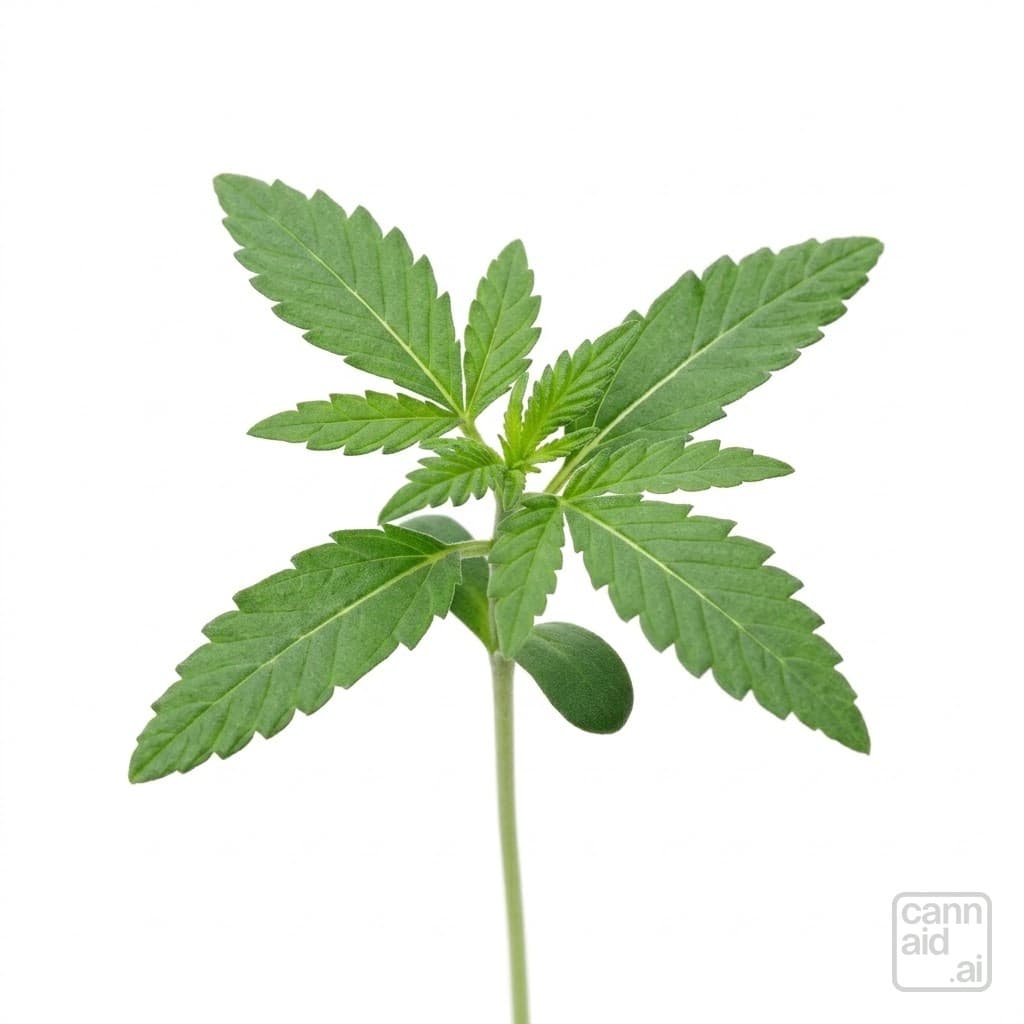
Given long days, she grows and does nothing else. Every few days a new pair of leaves opens at the top, each with more blades than the last. Below them, a side shoot starts at every leaf joint, or . The stem thickens, the roots fill the pot, and the whole plant doubles, and doubles again. A cannabis plant keeps time by the night. While the dark stays short, it reads the season as high summer and goes on building. A photoperiod plant stays in veg until you change her calendar. An autoflower carries her own, and turns to flower after a few weeks, whatever the lamp says.
Three habits carry the whole grow: weight, appetite, pen. Water by weight: lift the pot, water to a little when it is light, and leave it be while it is heavy. Feed by appetite, only when she asks. A few weeks in, the soil's own food runs out and the lowest leaves go pale. Then give a veg feed rich in nitrogen, at a fraction of the bottle's dose, on every second watering, plain water between. And check the of what goes in with a pen, because soil only lets her eat inside a narrow window of acidity. Outside it she starves over a full plate, the food in the pot and out of her roots' reach. Growers call that lockout.
Veg is home to the second great beginner mistake, too much feed, and its signs are easy to misread. Crisp brown leaf tips are nutrient burn: give less, not more. Pale lower leaves are a plant asking for nitrogen: the soil has run out. Bright yellow new tops with green veins usually mean the pH has drifted, and she cannot take up the iron sitting right there. Leaves that cup and bleach under the lamp are light burn: raise the lamp. A veg plant is hard to kill and easy to stunt. Unlike a flowering plant, she has all the time in the world to recover.
Hours of light a day
The flip — she shows her sex, then stretches
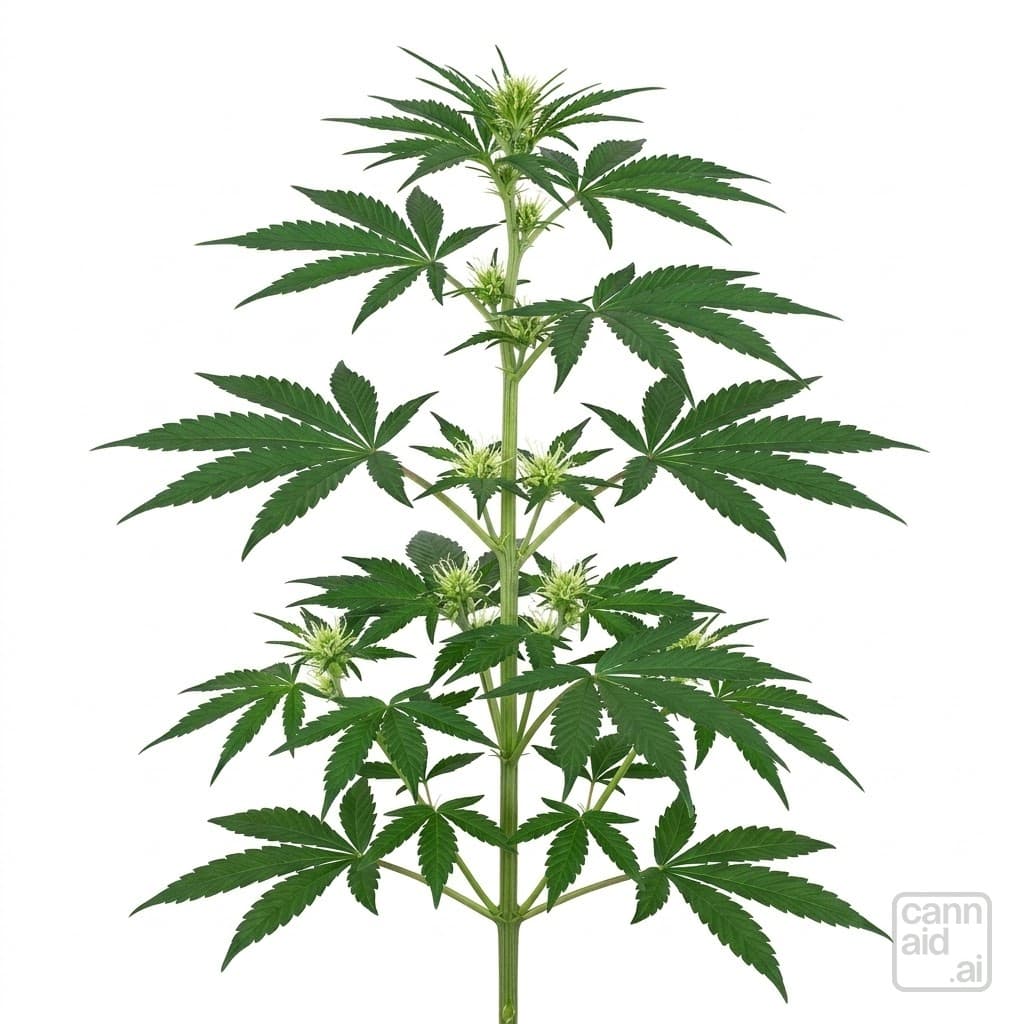
When the nights lengthen, by your timer or by her own clock, she changes her mind about what she is building. Within a week or two, and often already late in veg, small growths appear where the branches meet the stem. On a female, a tiny green teardrop with a pair of white hairs. On a male, a small round ball on a stalk, then clusters of them. These are the , the first time the plant tells you its sex. Then comes the , a last burst of upward growth in the two or three weeks after the turn. An indica grows a quarter to a half taller. A sativa doubles or triples. She is lifting her flowers to the light and the wind.
For a photoperiod plant, the turn is yours to make. Set the timer to twelve hours of light and twelve of dark, and make the dark total. A pinprick of light through a tent zip, a timer that slips, a door opened in the night: each one tells the plant the season is undecided. An undecided plant can grow male flowers on a female body, or drift back toward veg. An auto turns on her own around the fifth or sixth week from sprout; you only have to notice. Either way, check every node every few days. A plant that shows balls leaves the room before one opens, because a single male can seed the whole tent. Feminized seeds make this nearly always a formality, but never a guarantee.
The mistake here is the one a first-timer cannot see coming: the stretch itself. Veg forgave a slow reaction. The flip does not. A plant at knee height on the day of the turn is at your chest three weeks later. The lamp that hung well above it is suddenly in the leaves. The bleached, cupped tops that follow are the commonest injury of these weeks, and a tent that runs hot at the top adds heat stress. Raise the lamp ahead of her, not behind. If the tent is short, flip a week earlier than you planned. The stretch is no fault: it is the frame her flowers will hang from. The Anatomy article names every part you will watch from here on.
Flower — she fills, and then she fades
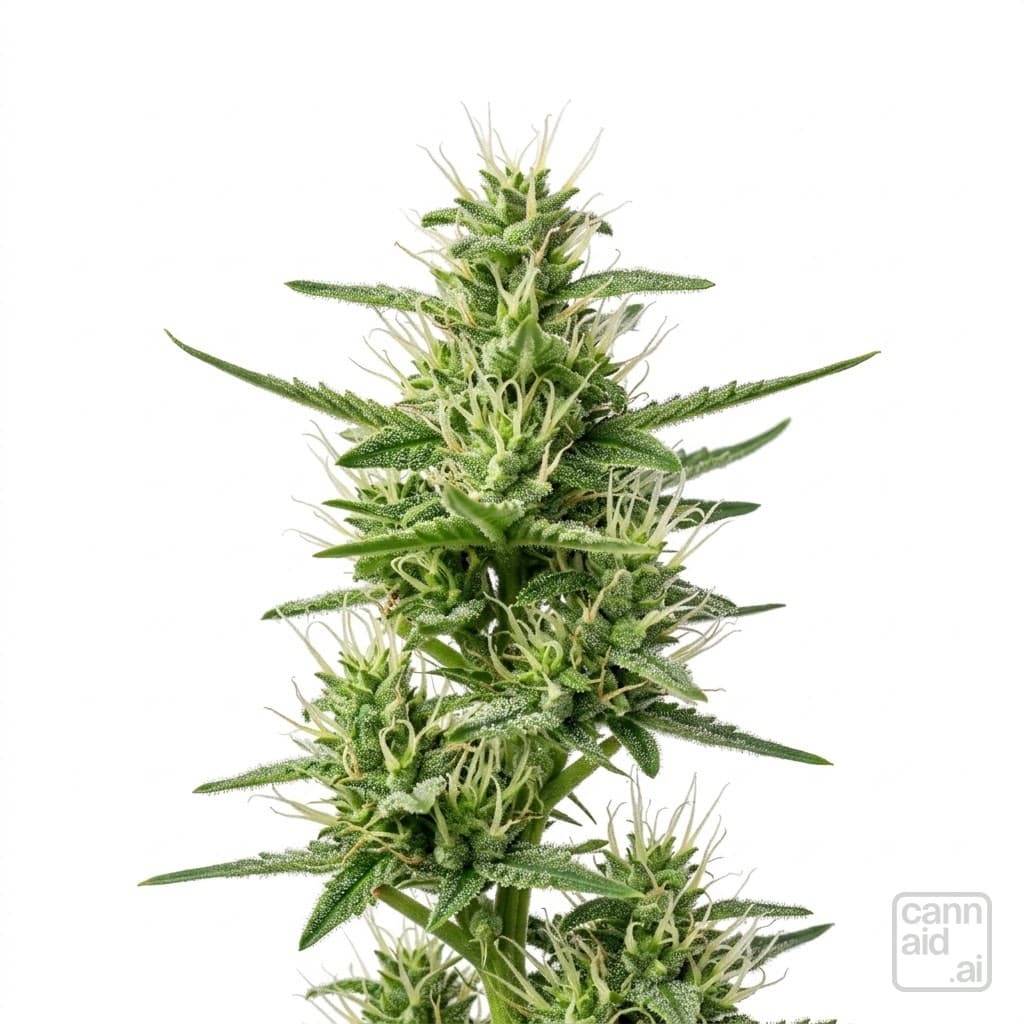
When the stretch ends, she stops growing up and starts growing out, into flower. The white hairs, the , multiply into thick clusters. The little teardrops beneath them swell into buds. The buds crowd along each branch into the long heads growers call . And the whole surface glazes over with the sticky frost of , where everything you grow her for is made. The smell arrives around the third or fourth week, and stays. Late in the run the plant begins to fade. The lowest leaves yellow and drop as what they hold moves up into the flowers, and the hairs darken from white to rust and curl in. The fade is not a deficiency. It is her finishing.
In flower, you tend the air, and mostly one number: humidity. Swelling buds breathe out water into a canopy that barely moves, and air that was fine in veg becomes the damp that mould waits for. So bring the humidity down, week by week, with the little fan sweeping the plant and the exhaust pulling. Switch to a bloom feed, still on every second watering, a little stronger in the middle weeks and eased back as she fades. Keep lifting the pot, too: a flowering plant drinks more than ever. Keep the dark dark. Then the hardest job of all: leave her alone. Never strip the plant bare, never chase the fade with nitrogen, and never move the lamp every day. Watch, water, wait.
Three injuries lurk in the flowering room. The first is bud rot, a grey-brown softness inside the densest cola that smells of a damp cellar. It is a humidity failure, which is why the line on the graph below keeps falling. The second is burnt tips on a feed that was fine last week: salts have built up, and a mid-grow soak of plain, pH-corrected water washes them out. The third is the fade itself, mistaken for a nitrogen deficiency and fed, until she finishes dark, glossy and clawing instead of pale and light. That overfed plant is the one case where a few days of plain water before the cut earn their place. Every other plant skips the : the Harvest article explains what the cure does that plain water cannot.
Humidity, stage by stage
Harvest — the patience at the end
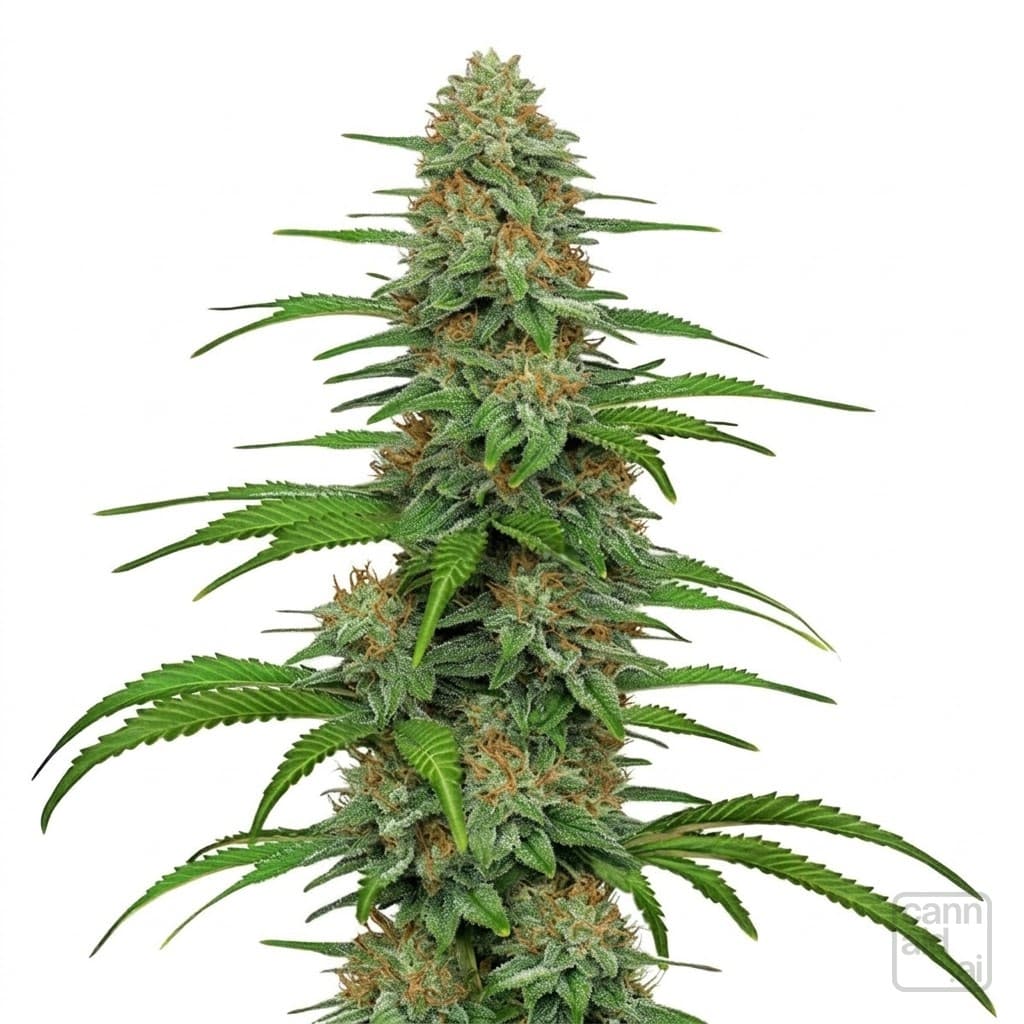
She tells you she is done in a language you need a small lens to read. The that frosted the buds turn from clear glass to cloudy milk as they ripen, and then, one by one, to amber. The hairs are mostly dark and drawn in. The fade has climbed the plant. And the growing has stopped: no new white hairs, no swelling, only a slow turning of colour. Cut then, and nothing is lost. Cut a week early, and the whole grow is lighter and rougher than it needed to be, because the last weeks are when the buds swell and ripen.
Your job is two acts of patience. Do not cut when the plant looks done. Cut when the lens says so: mostly cloudy, with a scattering of amber. Then hang her, whole or by the branch, somewhere dark and cool where the air moves gently but never blows on her. Wait until a stem as thick as a pencil snaps instead of folding, which takes one to two weeks. Trim off the leaf and put the buds in glass jars, two-thirds full. Open the jars once a day for the first week or two to let the damp out, then leave them shut. That is the : where the harshness goes, and where the smell and smoothness come from. The Harvest article covers each step in full.
The two mistakes here are twins: cutting too early because the wait is unbearable, and drying too fast because it still is. A bud dried in three days in a warm room is hay, and no cure brings it back. Dried slowly and jarred a little damp, the same bud is what the whole grow was for. The other risk is the mould that stalked the flowering room, now in a jar. A jar that smells of ammonia was filled too wet: hang those buds again for a day. Grey fuzz is mould, and that jar is lost. At both ends she needs almost nothing: the seedling is lost to too much, the harvest to too little patience. The road ends where it began. The next one starts in the grow journal, with everything you learned already written down.
Her numbers, in one place
Here is every figure the walk stepped past, on one sheet. They are the same numbers the grow journal on this site watches a grow against, so the two agree. Add a pH pen and a thermo-hygrometer, and you can read everything a first grow needs. If the plant does not match what you read here, the diagnosis tool at the foot of the page asks the questions the health pages answer.